
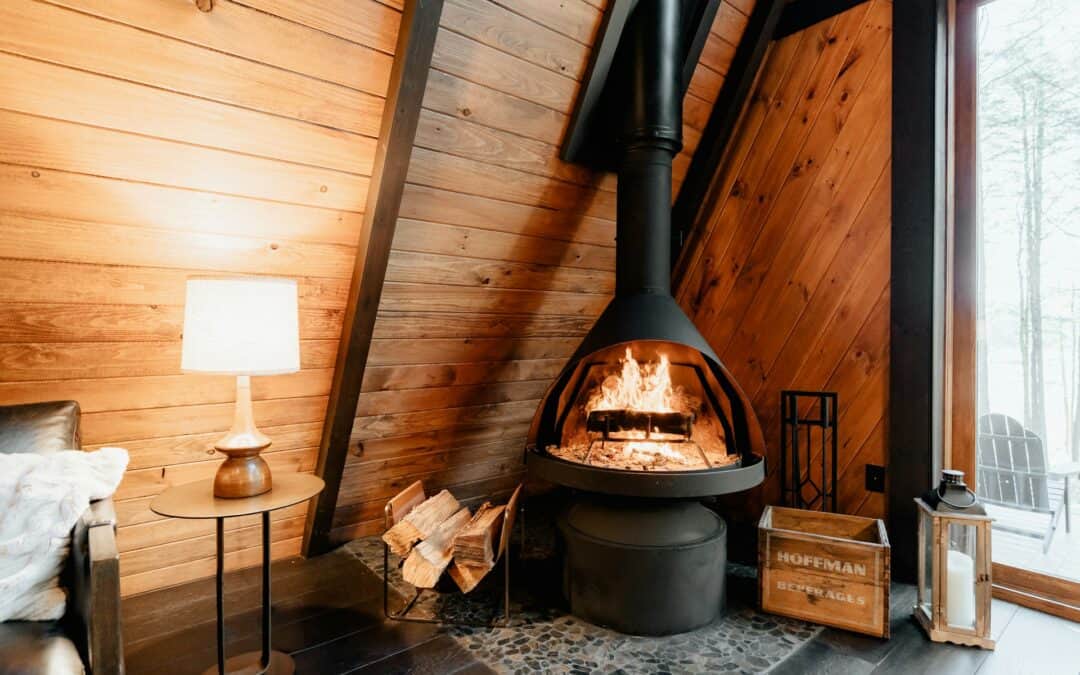
This month has most of us saying “Brrrr!” as bone-chilling climate reaches it’s peak this winter season. While you use your heating appliances and structures to keep warm and comfortable, it’s good idea to clean them this season while you’re at it. If they’re not cleaned regularly, they can become inefficient, smelly, or even dangerous. Soot, ash, dust, grease, and lint are all potential fire hazards when allowed to build up. In this guide, we’ll go through how to clean 8 common heating or fire-producing items, with safety tips and best practices to keep your appliances efficient and safe, all while staying cozy and toasty!
Important Note: Always make sure items are completely cool and powered off before cleaning. When in doubt, consult a professional or the product manufacturer.
1. Traditional Wood-Burning Fireplace
Ash and soot buildup restrict airflow and increase the risk of chimney fires.
How to clean it:
- Wait at least 24 hours after the last fire.
- Scoop out cold ashes using a metal shovel and store them in a metal container.
- Vacuum remaining dust with an ash-rated vacuum (never a regular one).
- Scrub firebox walls with a stiff brush and a mixture of warm water and vinegar.
- Wipe down doors and surrounding hearth.
2. Gas Fireplace
Dust and debris can clog vents and affect ignition and flame quality.
How to clean it:
- Turn off gas and electricity completely.
- Remove the glass front and gently clean it with a non-abrasive fireplace glass cleaner.
- Vacuum dust from logs, vents, and the firebox using a brush attachment.
- Wipe exterior surfaces with a damp microfiber cloth.
3. Electric Heater (Portable or Wall-Mounted)
Dust buildup can burn when heated, causing odors or fire risk.
How to clean it:
- Unplug the unit and let it cool fully.
- Vacuum air intake and exhaust vents.
- Use compressed air to remove internal dust (if manufacturer allows).
- Wipe exterior surfaces with a dry or slightly damp cloth.
4. Chimenea (Outdoor Fireplace)
Ash and moisture buildup can crack clay chimeneas or cause rust in metal ones.
How to clean it:
- Remove ashes after every few uses.
- Use a small brush or ash vacuum for the interior.
- Wipe the exterior with a damp cloth; avoid soaking clay chimeneas.
- Dry thoroughly before covering or storing.
5. Fire Pit (Wood or Gas)
Excess ash blocks airflow and can damage burners or bowls.
How to clean it:
- Scoop out ash once it reaches 1 inch deep.
- Scrub the bowl with mild dish soap and warm water.
- For gas fire pits, check burner ports for clogs and gently clear debris.
- Rinse and dry completely.
6. House Air Vents (Central Heating Systems)
Dust-filled vents reduce airflow and circulate allergens and debris.
How to clean them:
- Turn off the HVAC system.
- Remove vent covers and soak them in warm, soapy water.
- Vacuum inside ducts as far as you can reach.
- Replace or clean HVAC filters every 1–3 months.
7. Radiators (Steam or Hot Water)
Dust reduces heat efficiency and can cause burning smells.
How to clean them:
- Turn off heat and allow radiator to cool.
- Vacuum between fins using a narrow attachment.
- Use a long radiator brush to reach deep dust.
- Wipe exterior with a damp cloth.
8. Kitchen Stove & Oven (Gas or Electric)
Grease buildup is one of the most common household fire hazards.
How to clean them:
- Remove grates and soak in hot, soapy water.
- Scrub burners and drip pans with baking soda paste.
- Wipe oven interior with a degreasing cleaner or baking soda solution.
- Clean range hood filters monthly as they trap grease and heat.
A little routine cleaning goes a long way in keeping your favorite heat sources efficient and ready when you need them most. From cozy fireplaces to hardworking heaters, showing them some cleaning love helps prevent problems before they spark up. With that, we hope you stay warm and enjoy the coze, without the grime!