
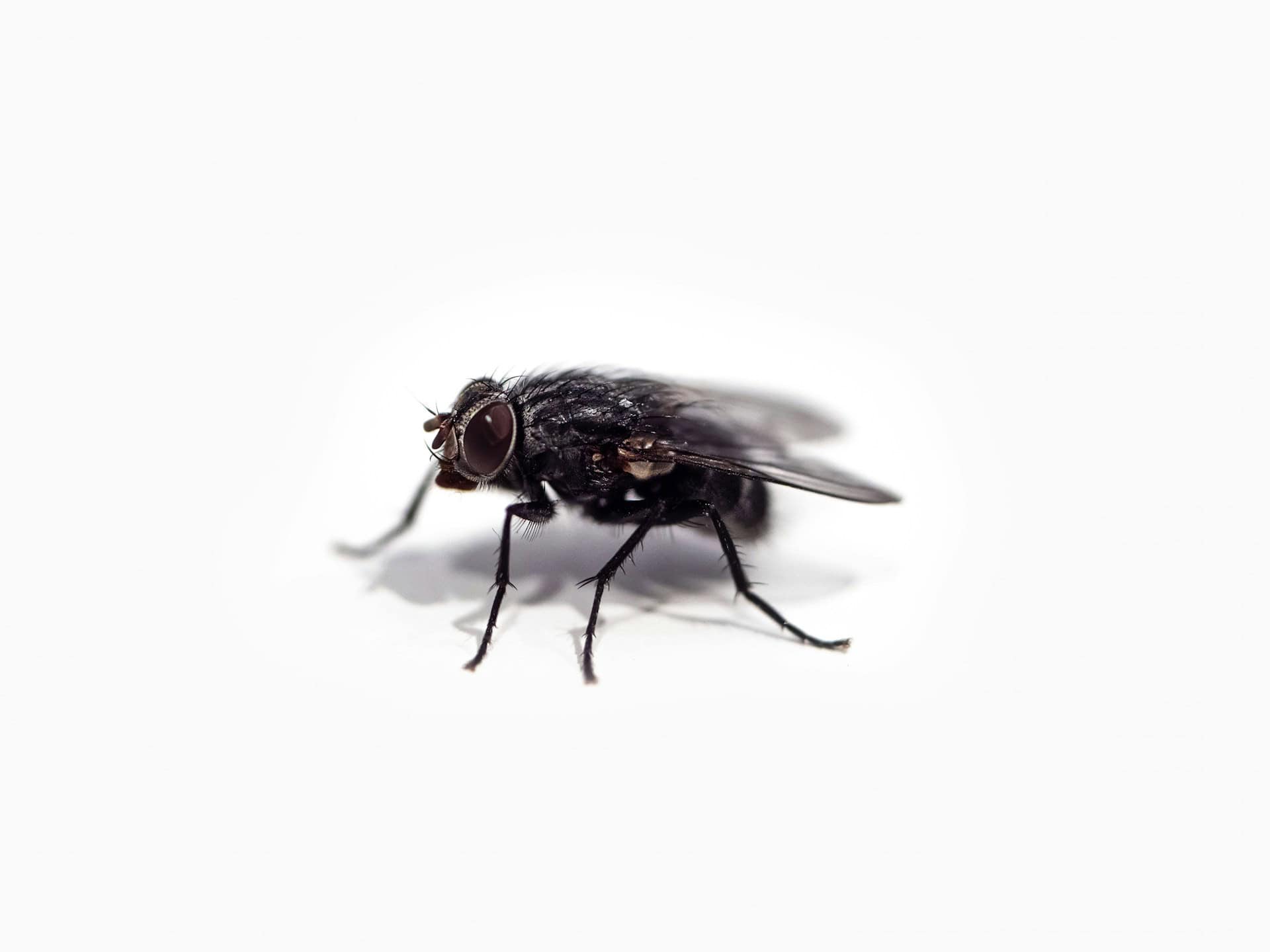
Flies and fruit flies are more than just a nuisance. They can spread bacteria, contaminate food, and make your home feel less clean and comfortable. While chemical sprays and pesticides are widely available, many people prefer natural, chemical-free solutions that are safer for children, pets, and the environment. The good news is that you don’t need harsh products to tackle a fly problem. With a bit of creativity and consistency, you can trap, eliminate, and prevent flies using simple, natural methods. If you prefer the nature route, here are ten safe and chemical-free ways to deal with flies and fruit flies in your home.
1. Apple Cider Vinegar Trap
Fruit flies are irresistibly attracted to the smell of fermentation. Pour a small amount of apple cider vinegar into a bowl or jar, add two drops of dish soap, and leave it uncovered. The vinegar lures them in, while the soap breaks the surface tension, causing them to sink and drown.
2. Homemade Fruit Trap with Plastic Wrap
Place a piece of overripe fruit in a bowl and cover it tightly with plastic wrap. Poke a few small holes in the top. Flies can enter through the holes but have difficulty escaping, effectively trapping them inside.
3. Red Wine Trap
If you have leftover red wine, don’t throw it out. Instead, you can use it as bait. Leave a small amount in a glass or container. Its fermented scent attracts fruit flies, and like vinegar traps, adding a drops of dish soap improves effectiveness. You can also use a combination of the plastic wrap trap from method #2 to ensure flies can’t escape.
4. Essential Oil Repellent Spray
Flies dislike certain natural scents such as lavender, eucalyptus, peppermint, and lemongrass. Mix a few drops of essential oil with water in a spray bottle and apply it around windows, doorways, and kitchen surfaces. This won’t kill flies but will help keep them away.
5. Clove-Studded Citrus
Cut a lemon or orange in half and stick whole cloves into the flesh. Place these on a shallow dish around your kitchen or near entry points. The strong aroma naturally repels flies and doubles as a natural and appealing fragrant.
6. DIY Flypaper with Honey, Sugar Syrup, or Duct Tape
Create your own sticky trap by brushing strips of paper or cardboard with honey, sugar syrup, or molasses in a thin layer just enough to lightly cover the surface. Hang them in areas where flies are active. The sweetness attracts flies, and the sticky surface traps them effectively. You can also use duct tape and blot the middle of the tape strip with a drop of honey.
7. Keep Drains Clean and Dry
Fruit flies often breed in damp, organic matter found in drains. Regularly clean your sink and garbage disposal with boiling water and a natural scrub like baking soda and vinegar. Keeping drains dry when not in use also discourages breeding.
8. Use a Fan for Airflow
Flies are weak and struggle in strong air currents. Placing a fan near food prep areas or entry points can help keep them from landing and settling in your home.
9. Seal Entry Points
Prevention is key. Check for gaps in window screens, cracks around doors, and other openings. Sealing these entry points can reduce the chances of flies getting inside in the first place by re-caulking windows and upgrading door seals.
10. Proper Food Storage and Waste Management
Flies are drawn to exposed food and garbage. Store fruits and vegetables in the refrigerator when possible, keep food covered, and empty trash bins regularly. Using a compost bin with a tight-fitting lid can also help minimize attraction.
At the end of the day, managing flies and fruit flies starts with being proactive when cleaning the kitchen. While simple, natural solutions can be effective when used consistently, actively cleaning up spills, crumbs, and discarded food items is the foundation to keeping pesky flies out of the house. By combining traps, repellents, and preventive measures, you can create an environment that is far less inviting to these pests. Not only will your home feel cleaner and more comfortable, but you’ll also have peace of mind knowing that your approach is safe, eco-friendly, and sustainable.



0 Comments